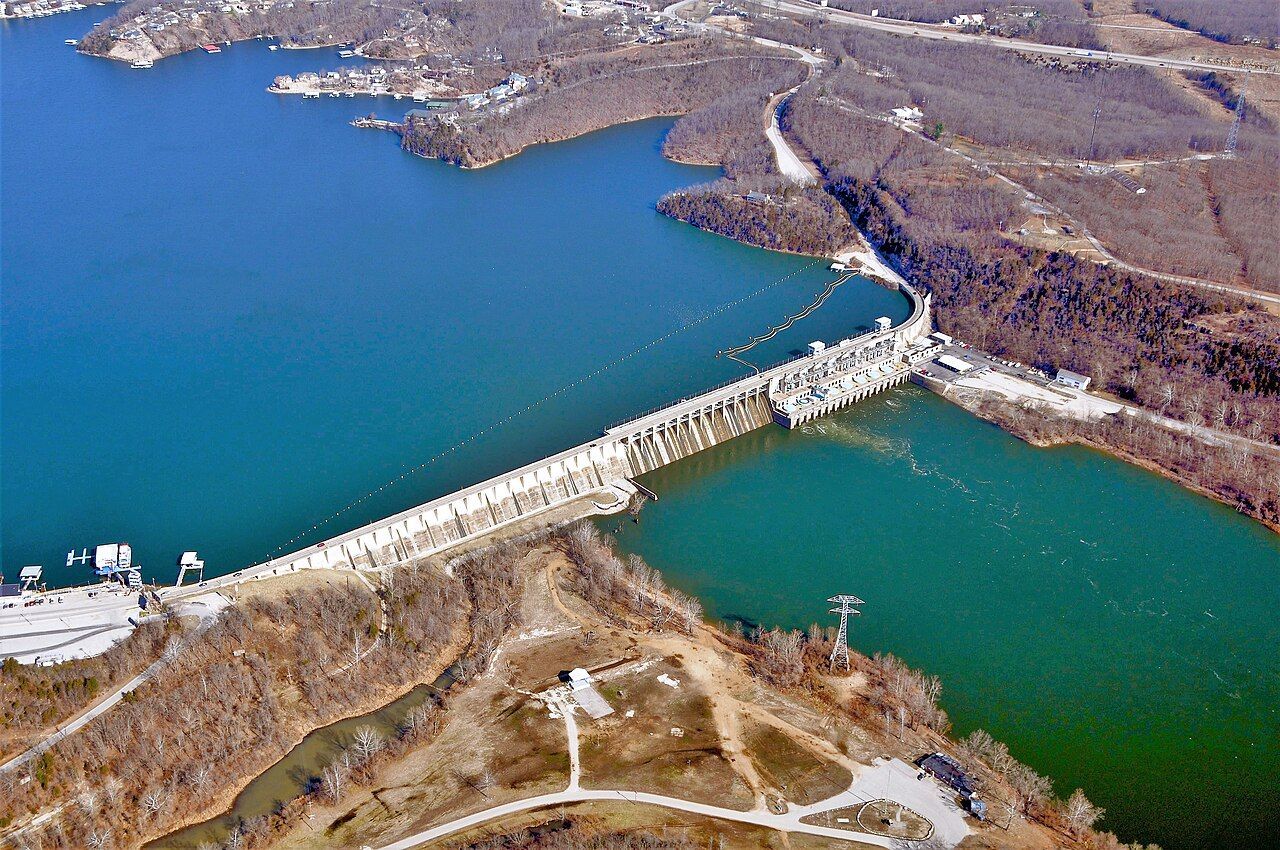

Bagnell Dam Strip: Lake Ozark's Commercial Corridor
The Bagnell Dam Strip is the most historically significant and most commercially active commercial corridor in Lake Ozark, Missouri — a mile-long stretch of Business Route 54 running from the foot of Bagnell Dam through the heart of the tourist district whose combination of souvenir shops, restaurants, amusement attractions, waterfront businesses, and the carnival atmosphere that has defined it since the 1930s makes it one of the most recognizable tourist commercial strips in the Midwest.
The Strip developed directly alongside the construction and completion of Bagnell Dam in 1931, which impounded the Osage River to create the Lake of the Ozarks and transformed a remote Missouri river valley into one of the most visited inland lake destinations in the United States.
For Lake Ozark residents, Miller and Camden County families, and anyone seeking to understand the commercial heritage and tourism economy of one of Missouri's most distinctive lake communities, the Bagnell Dam Strip provides an essential and historically rich starting point.
The Strip's Origins and Development After Bagnell Dam
The Bagnell Dam Strip's commercial character emerged almost immediately after Union Electric Company completed Bagnell Dam in 1931, as entrepreneurs and tourism developers recognized that the newly created Lake of the Ozarks would draw visitors from across the Midwest seeking waterfront recreation during the summer months.
The earliest businesses on the Strip served the construction workers and engineers who built the dam and then transitioned to serving the growing tourist trade as Lake of the Ozarks established itself as a regional vacation destination across the 1930s and 1940s.
The Strip's development pattern reflected the roadside commercial culture of the mid-twentieth century American tourism economy, with businesses competing for the attention of passing motorists through signage, novelty attractions, and the kind of concentrated entertainment and retail density that gave tourist strips across the American interior their distinctive visual character.
The
Fun Lake community and visitor resource documents the regional attractions and tourism programming that sustains the Bagnell Dam Strip's commercial corridor across the summer season and the growing shoulder season that has extended the Lake of the Ozarks tourism calendar.
Commercial Character and Business Mix
The Bagnell Dam Strip's contemporary business mix reflects the layered commercial development of nine decades of continuous tourist trade, combining the souvenir retailers, miniature golf courses, go-kart tracks, and novelty attractions that have characterized it since the mid-twentieth century with the restaurants, bars, and waterfront entertainment venues that have expanded the Strip's evening economy across more recent decades.
The Strip's density of visitor-oriented businesses along its single mile of frontage gives it a commercial intensity that few comparable tourist corridors in Missouri can match, creating the sensory environment of signs, attractions, and pedestrian activity that defines the classic American tourist strip experience.
The waterfront access that several Strip businesses maintain along the Lake of the Ozarks shoreline below the dam gives the corridor a geographic advantage that purely roadside tourist strips lack, connecting the land-based commercial activity of Business Route 54 to the boating, fishing, and water recreation culture that draws the majority of Lake of the Ozarks visitors to the region.
The Bagnell Dam itself represents the engineering landmark whose construction made the Strip's commercial development possible — a National Register-listed structure whose historical significance gives the surrounding commercial corridor its unique identity among Missouri tourist destinations.
This is paragraph text. Click it or hit the Manage Text button to change the font, color, size, format, and more. To set up site-wide paragraph and title styles, go to Site Theme.

Seasonal Tourism and the Strip's Economic Rhythm
The Bagnell Dam Strip's commercial calendar follows the intensely seasonal pattern of Midwest lake tourism, with the Memorial Day through Labor Day summer season generating the overwhelming majority of annual visitor traffic and revenue that sustains the corridor's businesses through the quieter shoulder seasons.
The summer concentration reflects the Lake of the Ozarks visitor base, which draws primarily from the major metropolitan markets of Kansas City, St. Louis, and the broader Midwest, whose residents take lake vacations during the school break months when Missouri's climate is most favorable for outdoor water recreation.
The Strip's shoulder season — the spring and fall months when moderate temperatures bring fishing enthusiasts, retirees, and second-home owners to the lake without the summer crowd intensity — has expanded as the Lake of the Ozarks region has developed year-round hospitality infrastructure, but the summer peak remains the commercial engine that defines the Strip's economic character and whose performance shapes the annual financial outcomes for the corridor's businesses. The Lake of the Ozarks State Park is the largest state park in Missouri, its trails, campgrounds, and waterfront access sustaining the outdoor recreation visitor economy that draws travelers to the Lake of the Ozarks region and through the Bagnell Dam Strip commercial corridor each summer season.
Missouri's Climate and the Strip's Seasonal Character
Missouri's continental climate gives the Bagnell Dam Strip its dramatically seasonal visitor pattern and shapes the operational decisions that the corridor's businesses make each year about staffing, hours, and capital investment.
Lake Ozark experiences a humid continental climate with hot summers averaging July highs near 89°F, cold winters with average January lows near 20°F, and approximately 43 inches of annual precipitation according to NOAA climate data for the Lake Ozark area. The summer heat that characterizes July and August along the Missouri Ozarks corridor creates the warm water temperatures that make Lake of the Ozarks swimming, boating, and water sports most attractive to the metropolitan visitors whose presence sustains the Strip's peak season commercial activity.
The spring storm season that delivers much of Missouri's annual precipitation — including the severe thunderstorm and tornado risk that the central Missouri corridor faces during the April through June period — creates the weather volatility that outdoor tourist operations along the Strip manage through flexible scheduling and the covered attraction infrastructure that allows businesses to maintain operations through the brief but intense storm events that characterize Ozarks spring weather.
The Strip's Role in Lake Ozark's Community Identity
The Bagnell Dam Strip's significance to Lake Ozark extends well beyond its function as a tourist commercial corridor into its role as the community's most recognizable landmark and the physical expression of the tourism economy that has defined the Lake of the Ozarks region since the dam's completion transformed the Osage River valley in 1931.
The Strip's nine decades of continuous commercial operation give it a historical depth that few comparable tourist corridors in Missouri can match, its evolving business mix documenting the changing tastes and expectations of Midwest vacation travelers across the full arc of the American tourist industry's development.
The Strip's architectural character — the mix of mid-century commercial buildings, updated facades, and the neon signage tradition that gives the corridor its nighttime visual identity — represents the accumulated commercial investment of generations of Lake Ozark entrepreneurs whose businesses have collectively created the tourist destination that draws visitors to the community year after year.
For Miller and Camden County residents and anyone exploring the commercial heritage and tourism character of Lake Ozark Missouri, the Bagnell Dam Strip remains the most historically rooted and most commercially vibrant expression of what makes this Ozarks lake community one of the Midwest's most enduring vacation destinations.