
NRCA ProCertification: Roofing Standards in Lake Ozark, MO
As a roofing contractor working across the Lake of the Ozarks, we've watched enough spring thunderstorms roll off the water to know how fast a quiet afternoon turns into a roof inspection. Wind gusts, hail, and driving rain test every shingle and seam on a lakefront property, and we get the call every time one blows through. That's why we pay close attention to a question most homeowners never think to ask: who actually installed the roof overhead, and were they trained to a recognized standard? A relatively new national credential, NRCA ProCertification, is changing how we answer that question for our own crews and for the clients who ask us about it.
What Is NRCA ProCertification, and Why Does It Exist?
The National Roofing Contractors Association, known as NRCA, is the trade group that represents roofing professionals across the country. NRCA built its national certification standard to solve a problem our industry has quietly lived with for decades. Unlike electricians or plumbers, roofing installers in most states have never had a single, portable, skills-based credential that proves someone can do the work correctly rather than just quickly. Manufacturers have offered their own installer certifications for years, but those mainly confirm familiarity with one company's product line, not core craft competency across the trade.
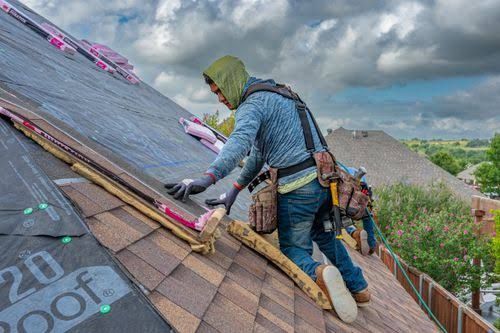
ProCertification changes that by testing installers against an independent, hands-on skills assessment rather than a brand-specific training video. A worker has to demonstrate proper technique on an actual roof deck, under evaluation, to earn the credential, and it's a standard any homeowner should expect the crew working on their roof to be held to. That distinction matters more than it sounds, because a crew can install a premium shingle and still produce a poor roof if the underlayment, flashing, and fastening are done wrong.
Steep-Slope and Low-Slope Credentials
The program recognizes that a roof over a lakefront cabin and a roof over a commercial building near the marina call for different skill sets entirely. Steep-slope certification covers asphalt shingle and similar systems, the kind we install on most single-family homes around Lake Ozark. Low-slope certification covers membrane systems such as TPO and EPDM, synthetic rubber and plastic membranes rolled out in large sheets, which show up more often on our flat roofing jobs at condos, marinas, and multi-unit rental buildings along the lakefront. Homeowners and property managers should confirm which credential, or both, a crew currently holds before work begins, since the two jobs are not interchangeable.
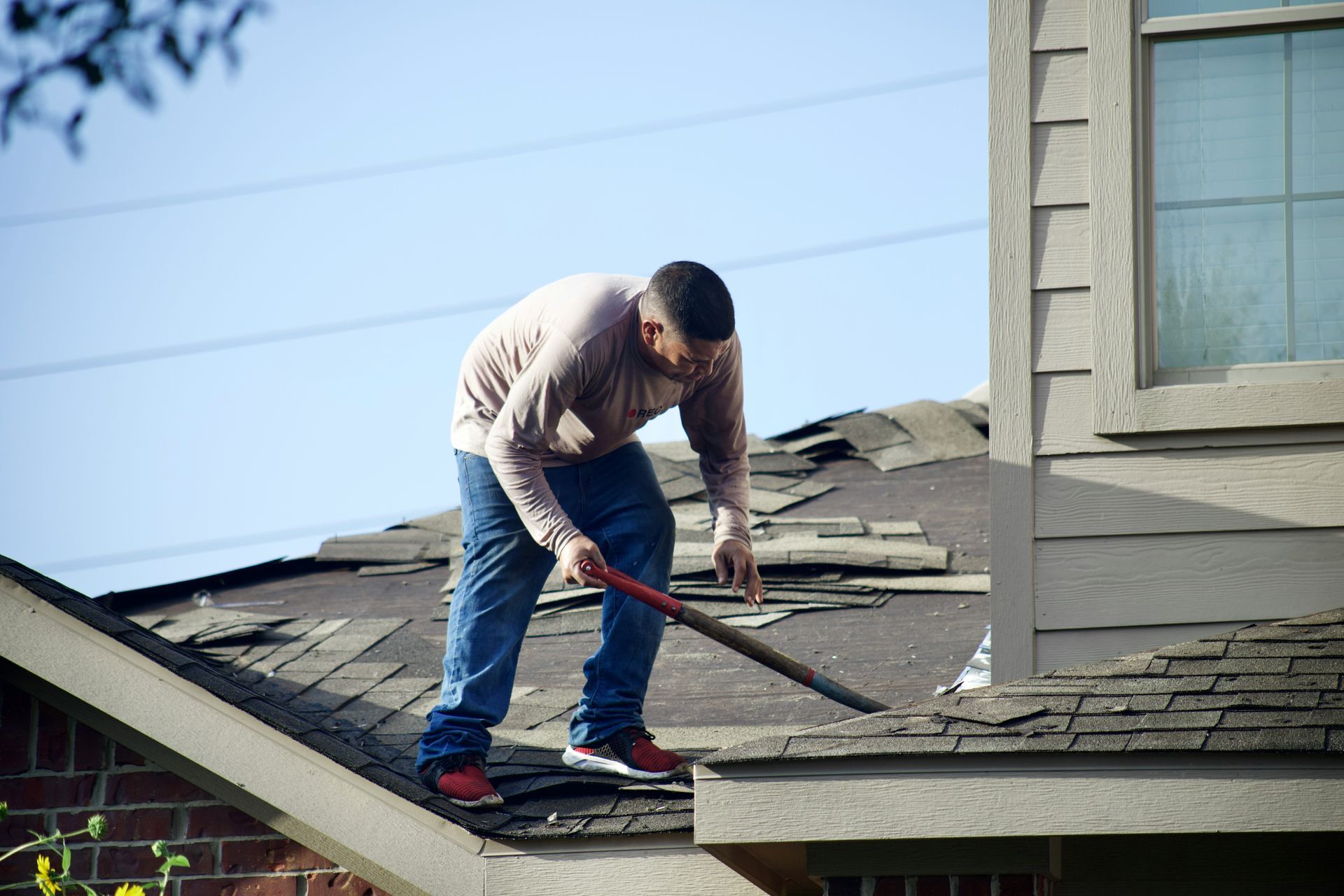
Image credit: Zohair Mirza on Unsplash
Why a National Skills Standard Matters in a State Without Contractor Licensing
Missouri is one of a handful of states that does not require a statewide license to operate as a roofing contractor, which leaves most oversight to individual cities and counties. In practice, that means homeowners here in Camden County and across the greater Lake of the Ozarks region do much of their own vetting before a crew ever climbs a ladder. We think a national, third-party credential fills a real gap here. It gives property owners something concrete to verify, independent of a contractor's own marketing, when the local permitting office cannot speak to any specific installer's actual skill level.
This matters just as much for landlords and business owners managing multiple properties as it does for a single homeowner. We work with property managers who oversee several lake rentals and cannot personally inspect every shingle on every roof, and the same goes for the commercial roofing clients we serve, so a verifiable credential becomes a practical shortcut for due diligence.
How Certification Connects to Storm Recovery and Insurance Claims
Missouri sits in a region the insurance industry regularly flags for severe convective storms, including damaging hail and straight-line winds, and our lake communities see their share of both. Roof performance research from the Insurance Institute for Business & Home Safety has repeatedly shown that installation quality, not material quality alone, determines how a roof holds up in high wind and hail events. We've seen shingles rated for Class 4 impact resistance, the toughest tier under the UL 2218 testing standard, still fail early because fasteners were misplaced or flashing was cut short on the original install.
We train our crews on the exact details insurance adjusters look for when they evaluate a storm damage claim, because that attention to detail can be the difference between a claim that gets approved smoothly and one that turns into a drawn-out dispute over whether the damage was pre-existing or installation-related.
Proper technique also intersects with worker safety, an area where roofing carries some of the highest fall-related injury rates of any construction trade. OSHA, the federal Occupational Safety and Health Administration, sets fall protection rules that apply to nearly every steep-slope job site we're on, and we build our safety practices around those requirements rather than around shortcuts. Investing in ProCertification and investing in a real safety culture tend to go hand in hand, and we think our clients deserve both.
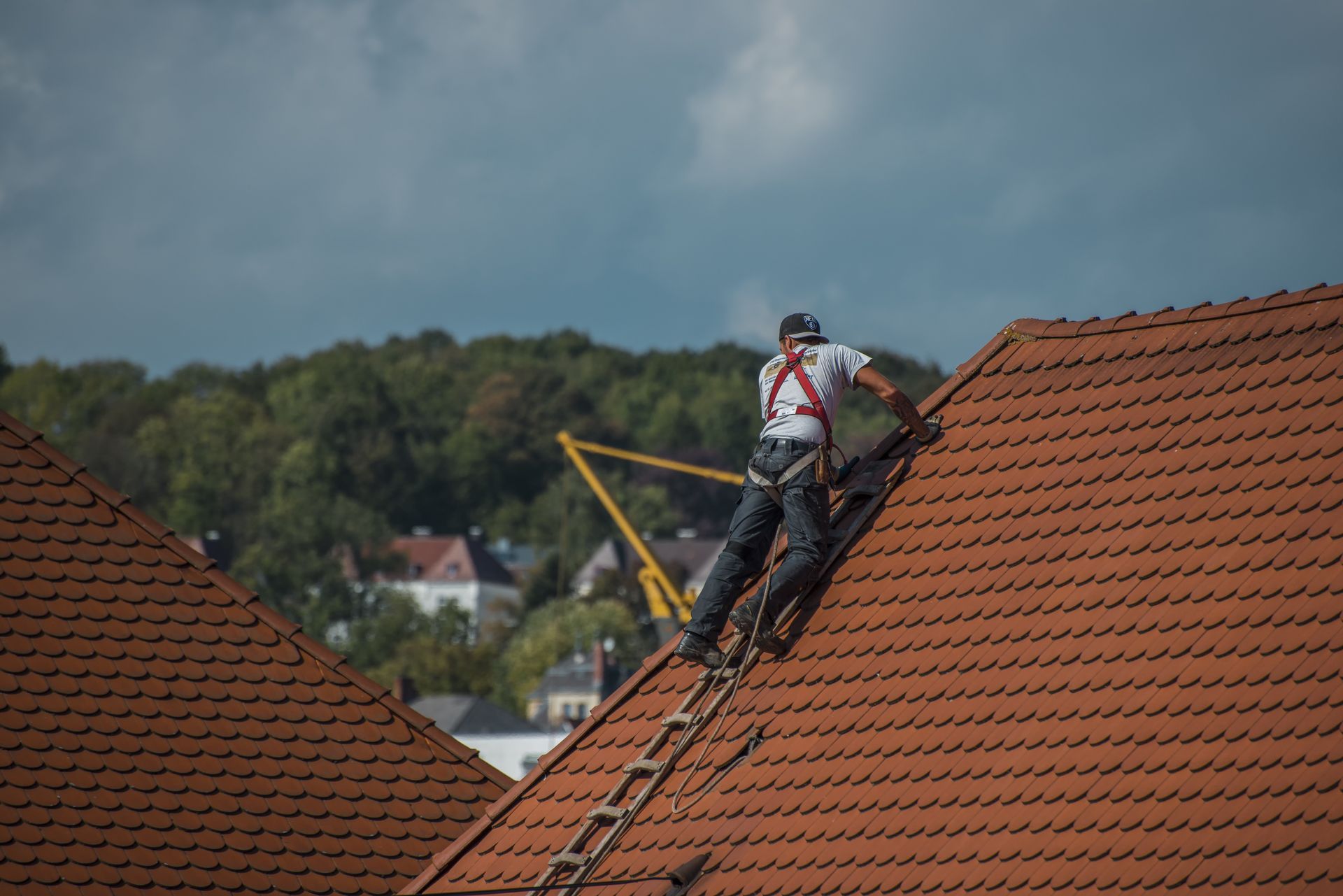
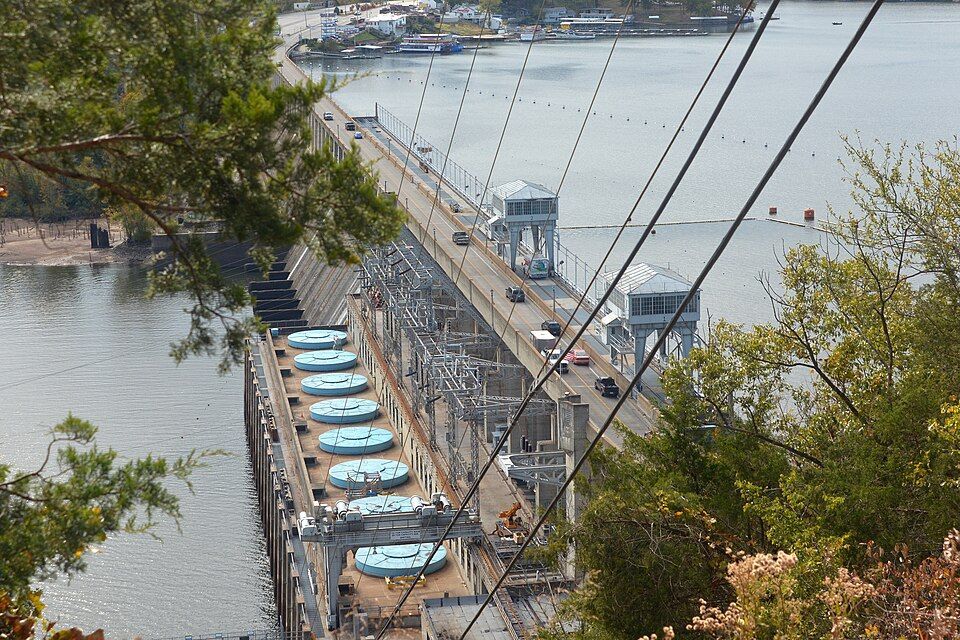
Image credit: Mario Ohibsky from Pixabay
What to Ask a Roofing Contractor Before You Hire
We tell homeowners the same thing every time: a few direct questions can tell you more about a contractor than any advertisement.
- Which crew members hold current NRCA ProCertification, and in which category, steep-slope or low-slope
- Proof of general liability insurance and workers' compensation coverage
- How the company documents storm damage for insurance claim purposes
- Whether the estimate includes proper underlayment, flashing, and ventilation work, not just shingles
- A workmanship warranty that is separate from the manufacturer's material warranty
These questions take five minutes and can save months of frustration later. We've answered most of them on our own FAQ page, and we're always glad to walk through them in person too. Asking about certification signals that you expect real craftsmanship, not just the fastest bid on the table.
Choosing a Certified Roofing Team at the Lake of the Ozarks
We wrote this article because our neighbors across Lake Ozark and the surrounding communities we serve deserve to know what to ask before they hire anyone, because our neighbors across Lake Ozark and the surrounding communities we serve deserve a roof that holds up to everything this lake throws at it. We handle residential and commercial roof repair, replacement, inspection, and maintenance for homeowners, property managers, landlords, and business owners, and we work directly with insurance carriers on storm damage claims. Whether you're dealing with a slow leak, missing shingles after the last storm, gutter problems, or an aging roof that needs a full replacement, including specialty custom roof designs, ask us which certifications our crew currently holds before work begins.
If you want a straightforward answer about what your roof actually needs, contact us and we'll walk the property with you.